Better prepared applications. Less avoidable rework.
From today, Planning Portal is bringing new data, intelligence, AI and smarter workflows into more of the planning journey, with a clear aim for local authorities: help applicants understand more and submit stronger applications before it reaches you.
These changes form part of our biggest investment yet in Planning Portal and build directly on our work with local authorities across the country.
Through our cross-working groups, in-person sessions and ongoing conversations with planning and design teams, the same pressures come through consistently. Valuable time is spent responding to questions that could be answered earlier, dealing with incomplete or incorrect information, and working through avoidable issues after submission.
Our focus is on clearer guidance earlier, relevant site information during application preparation, better application workflows and stronger checks before submission.
The objective is to make a complex planning system clearer and easier to navigate, using advances in technology and AI alongside the breadth of data available through Planning Portal to provide greater clarity and direction. By doing more at the front of the process, we can help applicants understand requirements and address repeatable issues earlier, before they become an additional burden for local authorities.
“Local planning authorities are at the heart of the planning system, and our role is to make sure the applications reaching them are as well prepared as they can be. Planning Portal has a unique opportunity to improve what happens before submission, so valuable planning expertise can be focused where it makes the greatest difference.
What we are introducing now is an important step towards that. But it is also the foundation for what comes next. We will continue to work closely with local planning authorities, combining their expertise with our data and technology to improve the quality of applications and make the process work better for everyone involved.
For me, success is not simply about making Planning Portal easier to use. It is about making a measurable difference to the wider planning system. – Geoffrey Keal, CEO, TerraQuest & Planning Portal
Help applicants understand more before they reach you
More than three million people a year use Planning Portal guidance to understand planning requirements – guidance that many local authorities already link to directly from their own websites. Over the past year, we have significantly expanded the support available before an application begins.
The relaunched Interactive House helps people understand common home improvement projects, while Ask Navi, launched earlier this year, provides conversational answers grounded in authoritative Planning Portal guidance and national planning policy.
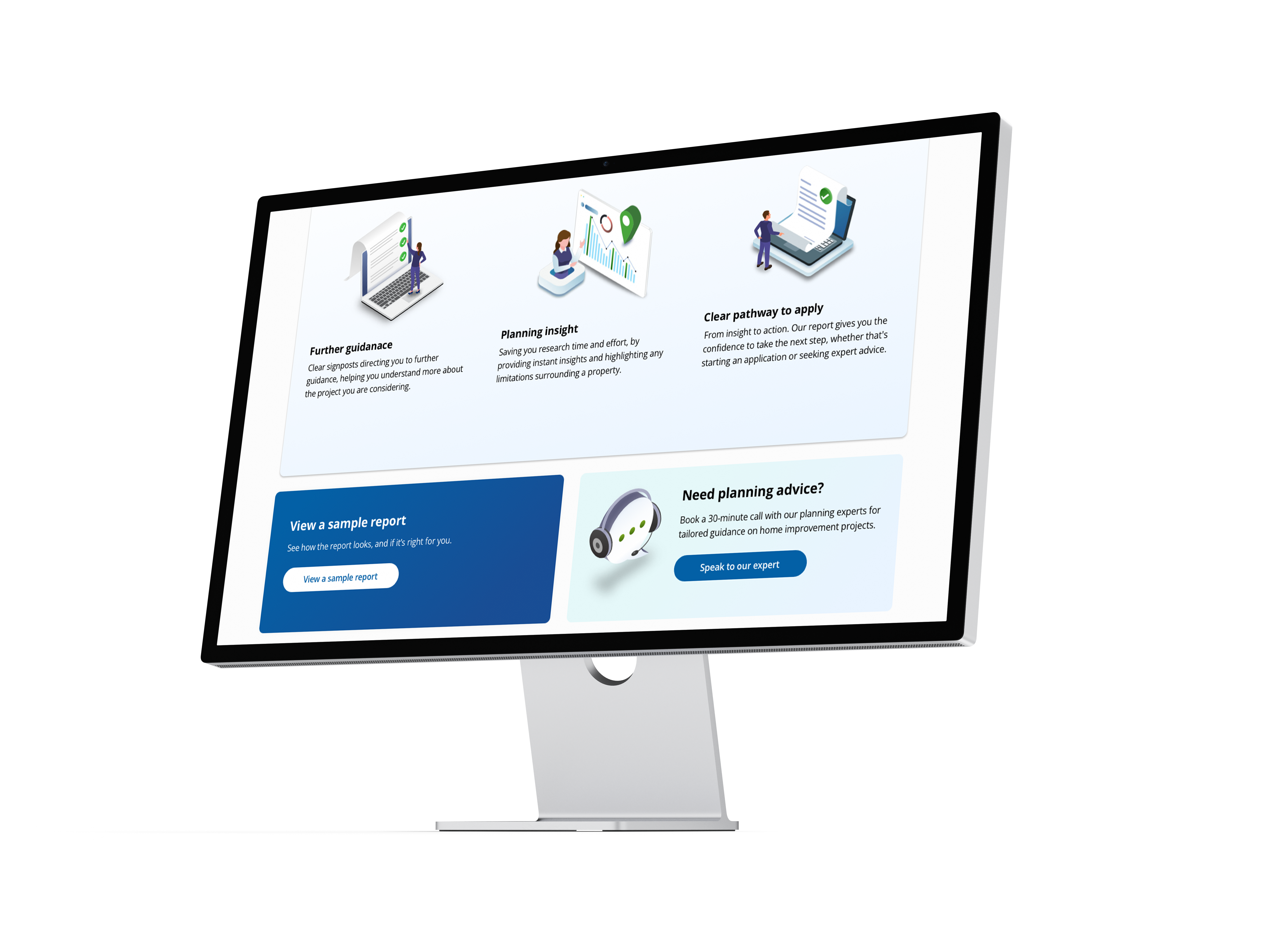
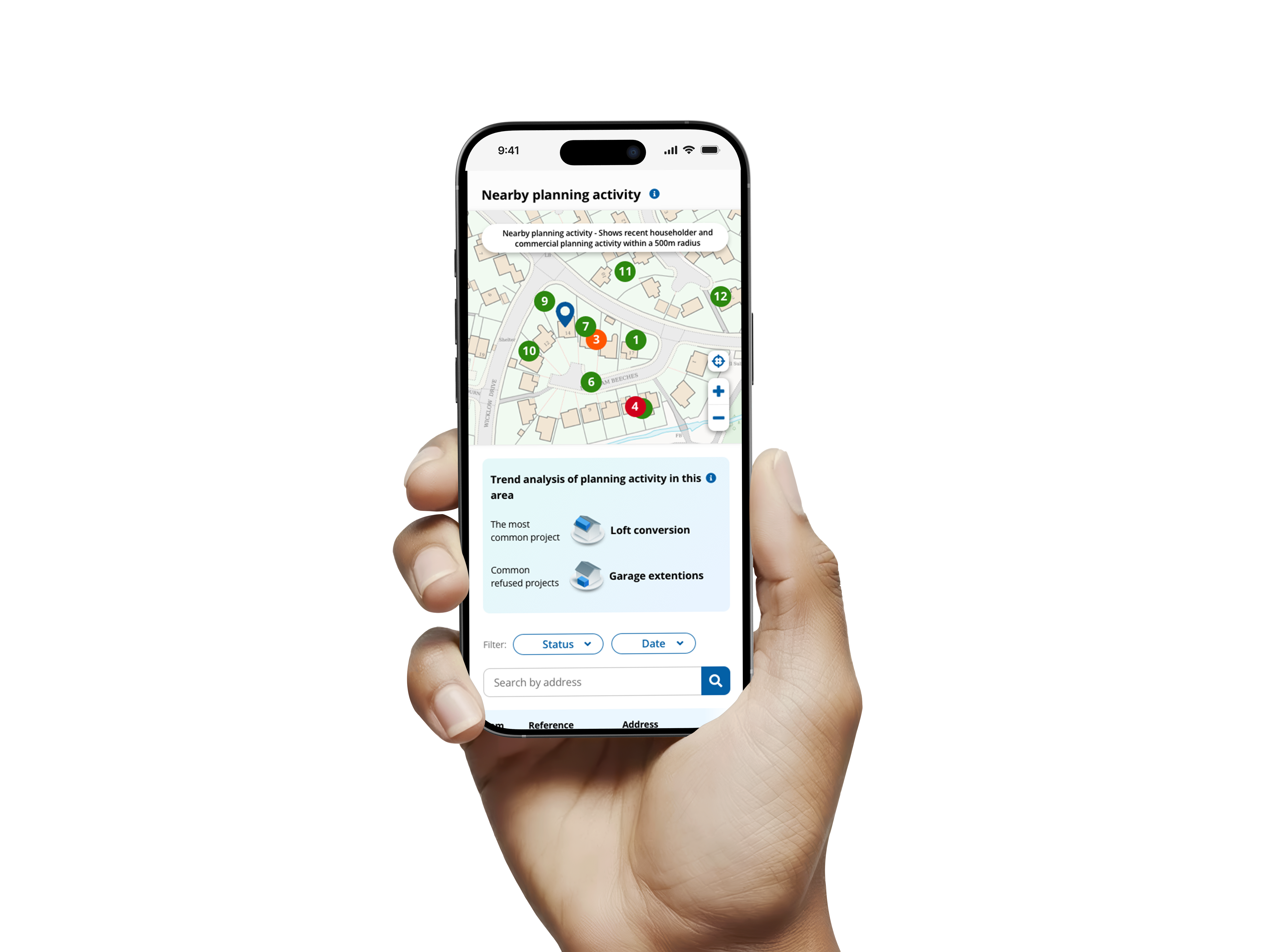
Our recently launched Householder Insights goes further, helping homeowners explore the planning potential of a specific property using relevant planning history and activity in the surrounding area. It’s free to use, with up to three property reports available each month, giving people another way to explore what may be possible before they approach a local authority or commit significant time and money.
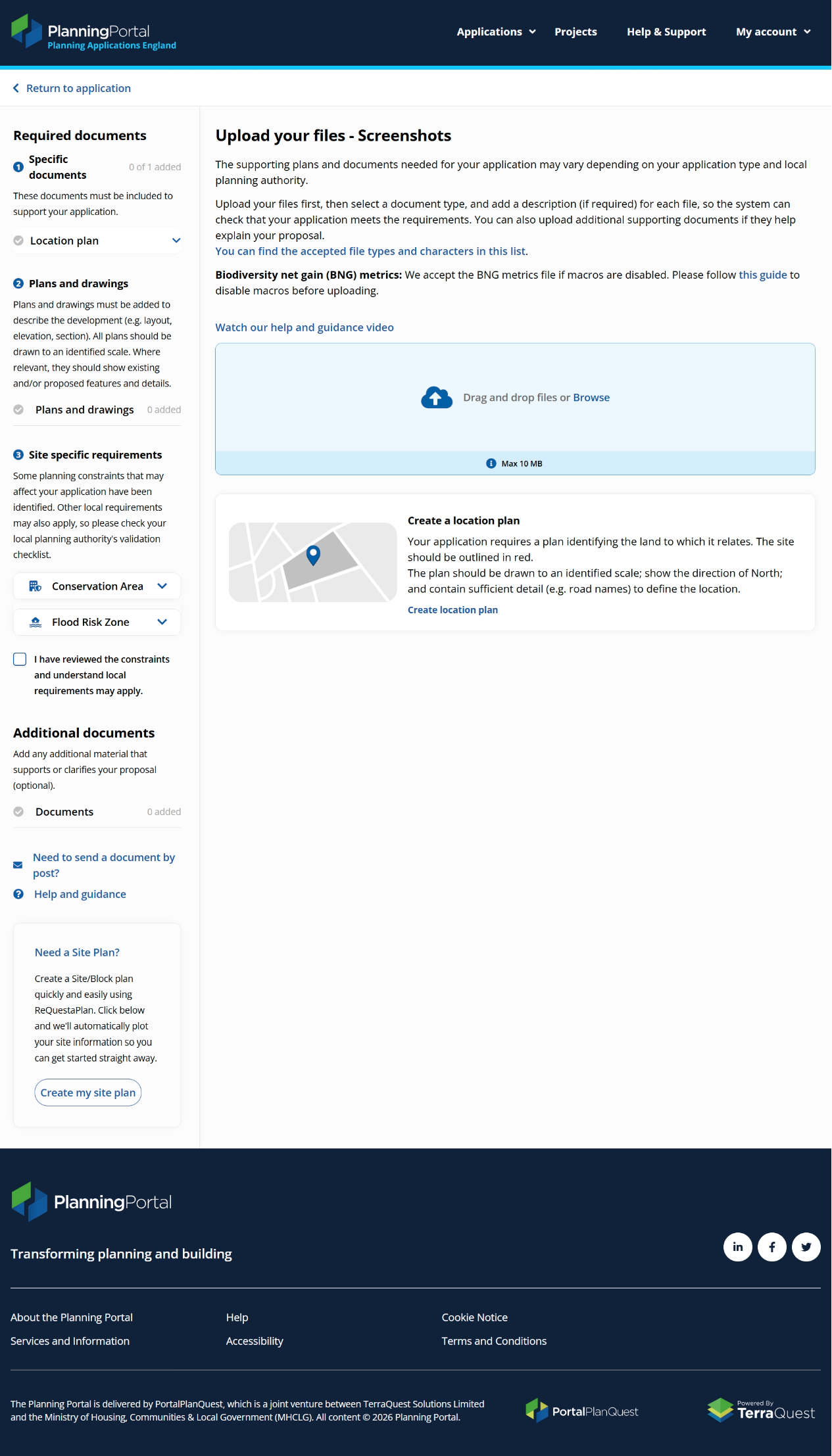
From today, that same principle extends further into the application journey. Relevant planning constraints can now be surfaced while an application is being prepared, helping applicants identify considerations such as flood risk, conservation areas, green spaces and other site-specific factors while there is still time to respond.
For local planning authorities, the purpose is important: help applicants answer more questions, understand what may be possible and set better expectations before they reach you.
Better information coming into your systems
Application quality is not only about knowledge of planning requirements; it is also about how easily they can provide the information required. That is why we have been improving the application workflow itself.
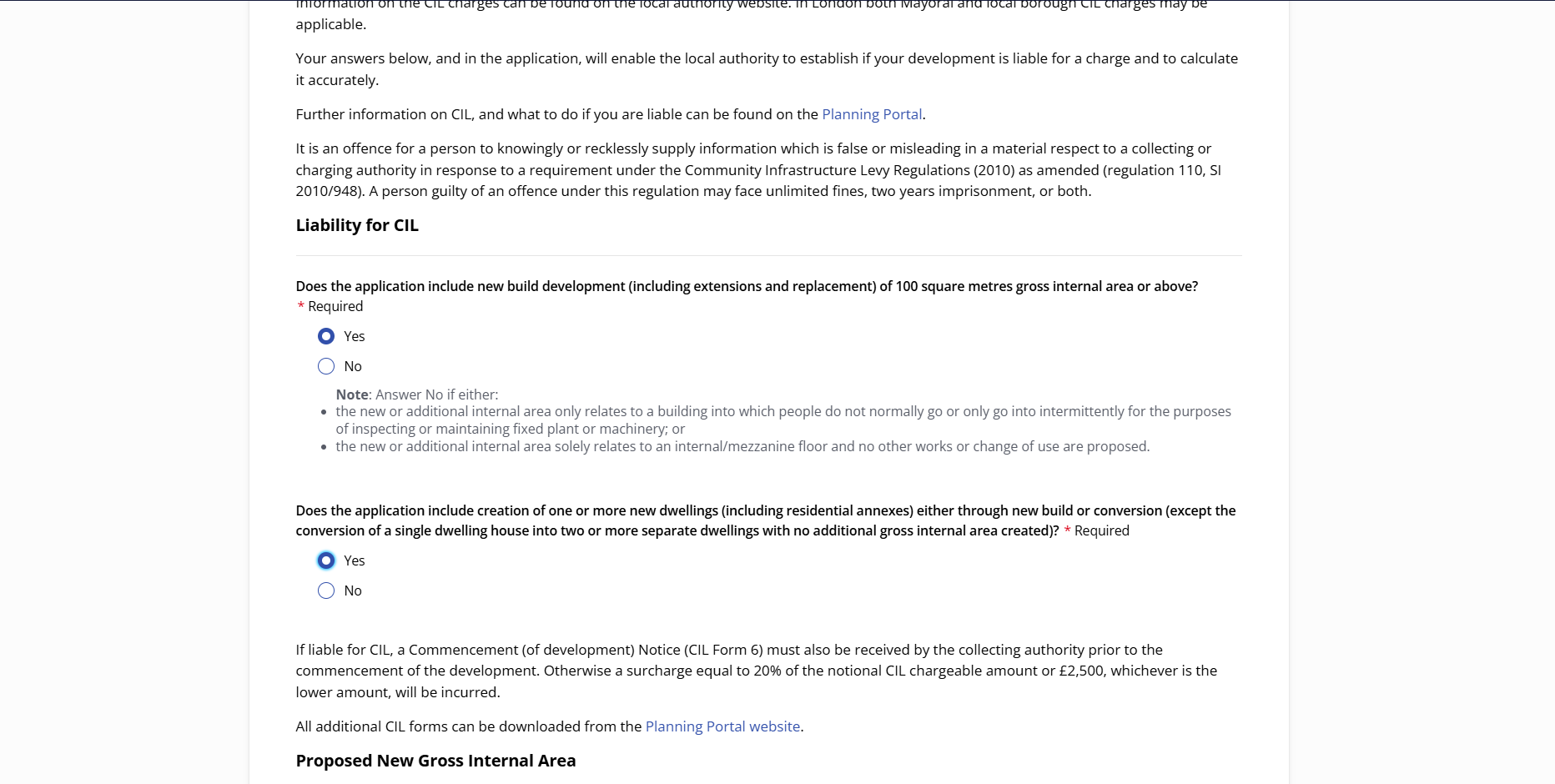
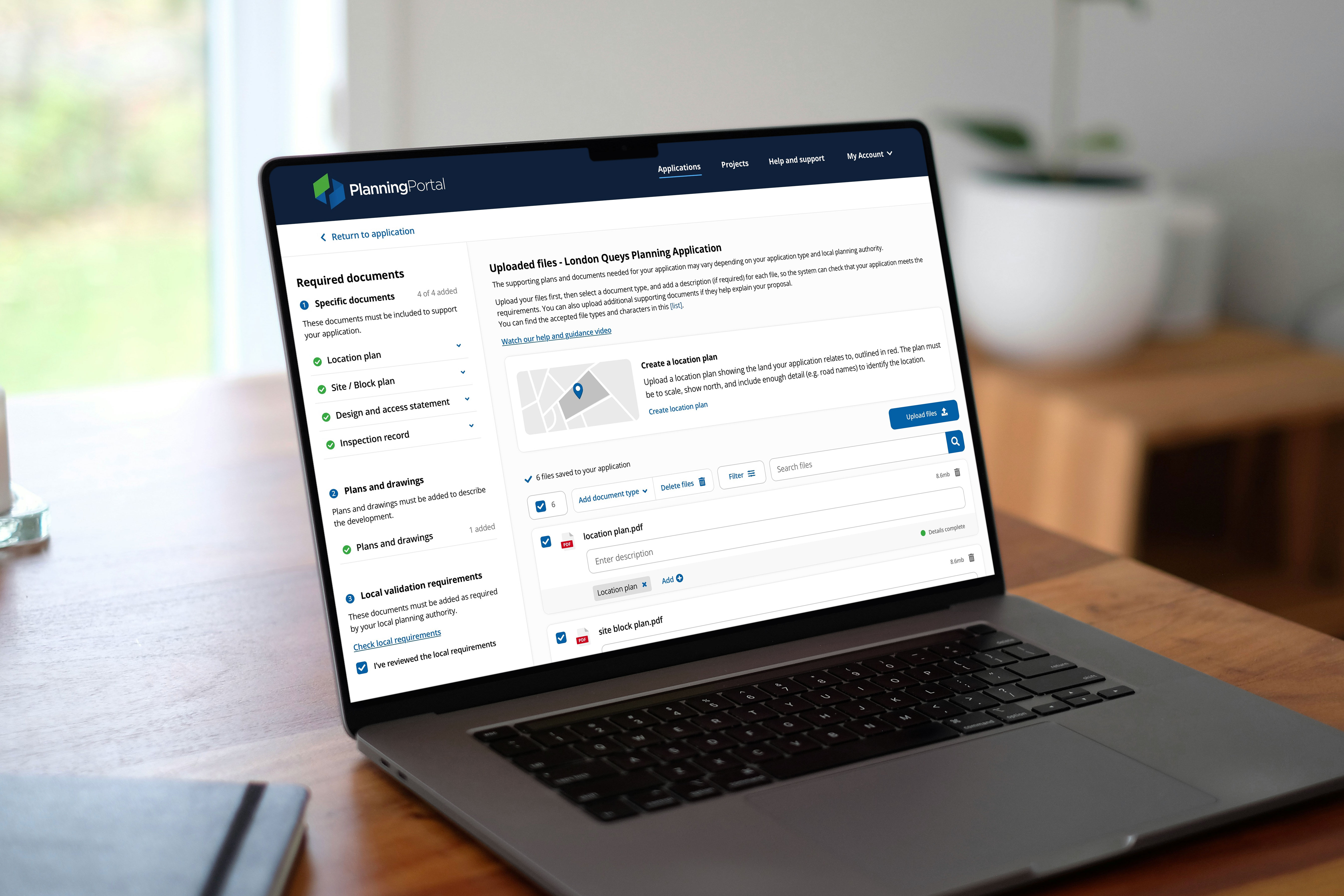
Supporting document management has been improved to make handling larger document sets faster and easier. Users can now upload a complete document set and classify files afterwards, with more resilient file naming, bulk deletion and a clearer checklist showing what’s still required. We have also introduced improvements across CIL, certificates and project descriptions, alongside AI-assisted capability designed to make application preparation easier and more consistent.
We are also improving how that information reaches you. Our JSON connector strengthens integration with local planning authority back-office systems, supporting the transfer of richer application data and making it easier to accommodate application changes and amendments.
For local planning authorities, the value is in the cumulative effect: clearer, more consistent and better-prepared information entering the system, with less opportunity for avoidable errors during application preparation.
These improvements are designed to support applicants and professionals in getting more correct before they submit, reducing the rework that otherwise falls on everyone involved.
Address more issues before submission
We know from our work with local authorities that invalid applications remain a significant source of avoidable handling. Planning requirements are complex and locally specific, and technology will not remove that. But many causes of invalidation are identifiable and repeat year after year.
We have spent years analysing those patterns, and our recent sessions with local planning authorities have helped us understand in more detail where earlier intervention can make the greatest difference.
The improvements available today, including clearer requirements, better document handling and earlier visibility of relevant constraints, are part of that work.
From October, enhanced completeness and readiness checks will go further, helping to identify missing information and common errors while applicants still have the opportunity to correct them.
Over time, these checks will become more tailored, including greater use of local requirements and site-specific information within the application journey.
The aim is to address more avoidable issues before an application reaches the authority, rather than asking planning teams to identify and resolve them afterwards.
Connecting planning and Building Control
For applicants, whilst planning permission is an important step towards delivering their project, Building Control is often the next stage – and we want to make that transition as straightforward as possible.
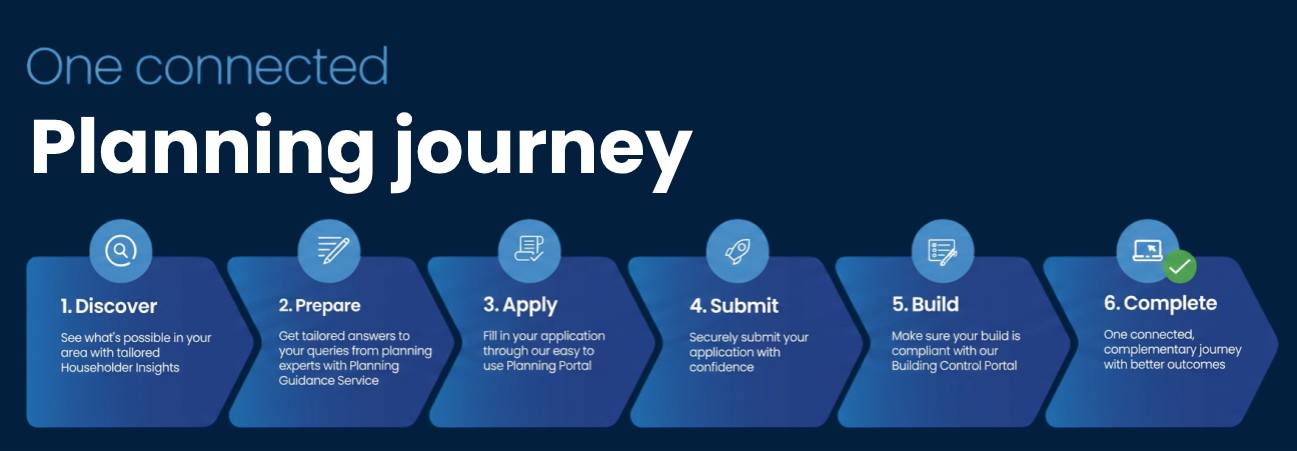
Yet Planning and Building Control can involve separate processes and systems. Planning Portal uniquely connects the two, allowing relevant information to move with the project and creating a clearer route from planning into Building Control.
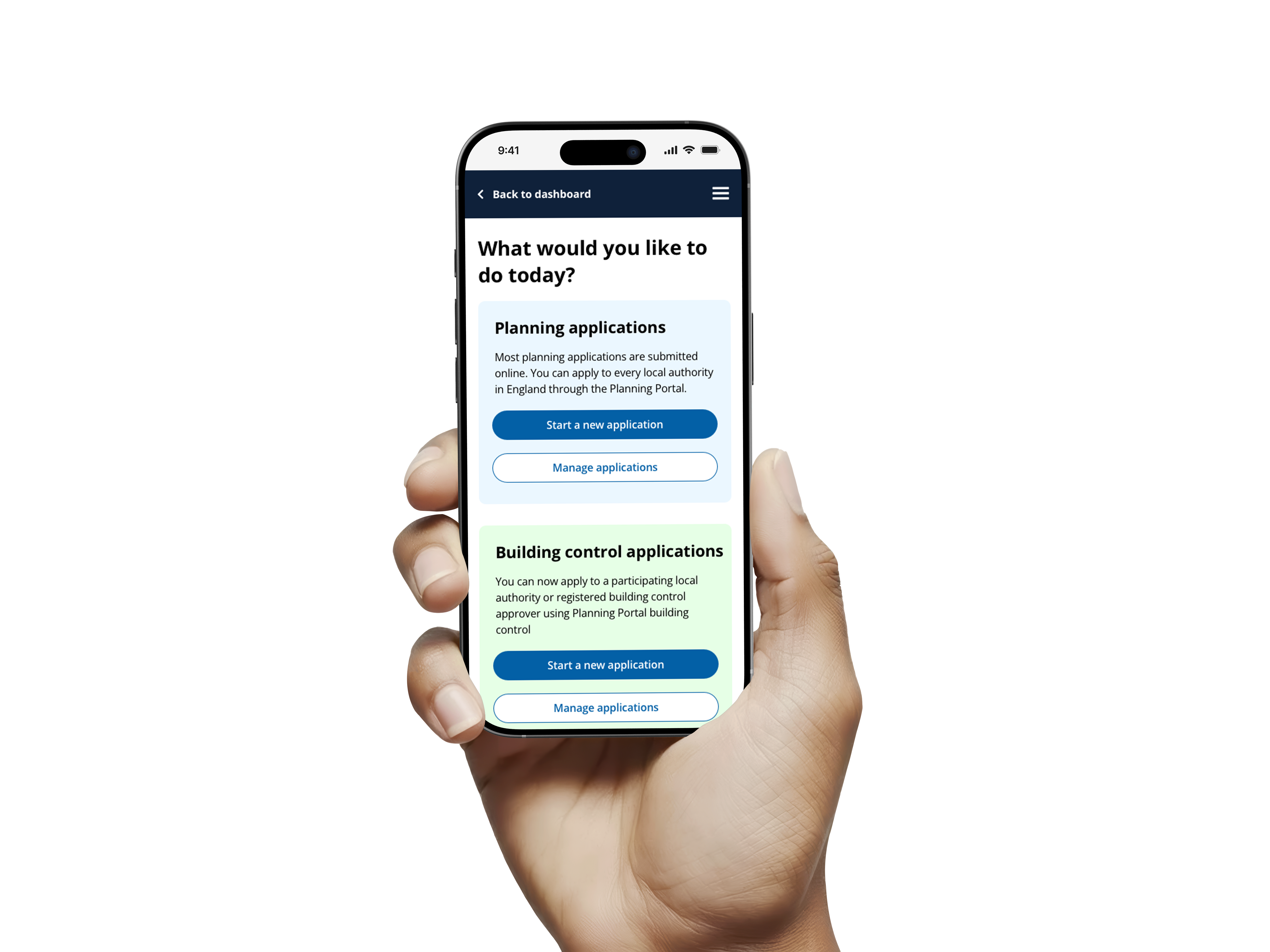
Applicants can progress into Building Control* through Planning Portal, reuse relevant application information and submit directly to Building Control bodies, with no additional Planning Portal charge for doing so.
It also supports the wider move towards better-connected, data-led regulation and the principles behind the ‘golden thread’ of information. Keeping reliable, relevant information accessible as a project progresses can support better decision-making, accountability and oversight, particularly when it comes to building safety.
For local authority Building Control teams, this also creates a direct route for relevant opportunities through Planning Portal, helping to easily connect customers with Building Control bodies as their projects progress.
What is changing for applicants
Alongside these improvements, the Planning Portal product structure changes from today.
Application types now sit within three bands:
- Band 0 – £0 for eligible application types, including exemptions, tree works and listed building consent.
- Band 1 – £99 inc VAT for less complex application types.
- Band 2 – £149 inc VAT for application types with more complex requirements and greater platform capabilities.
The majority of applications received through Planning Portal will either remain free or cost £99 inc VAT.
The banding reflects our assessment of the complexity associated with different application types and the level of capability typically required to support them. For more information on which application types sit withing each band, click here.
There is no charge to local planning authorities as a result of this change. The new pricing applies to applications submitted through Planning Portal. We recognise that applicants may contact local authorities with questions about the new structure. Our support and account management teams are available to help, and applicant enquiries about Planning Portal pricing can be directed to our support team.

Continuing to build this with local authorities
The capabilities introduced today are part of a broader programme of development. We will continue to strengthen the support available before submission, including more sophisticated completeness and readiness checking and greater use of local and site-specific requirements within the application journey.
We will also continue to work with local authorities as those capabilities develop.
The measure of success is practical: better-informed applicants, fewer avoidable issues and better-prepared applications reaching local planning authorities.
What we learn from you, and from how these capabilities perform in practice, will continue to shape where we invest next.
*Please note, all projects can be submitted through Building Control except higher-risk building work in England.