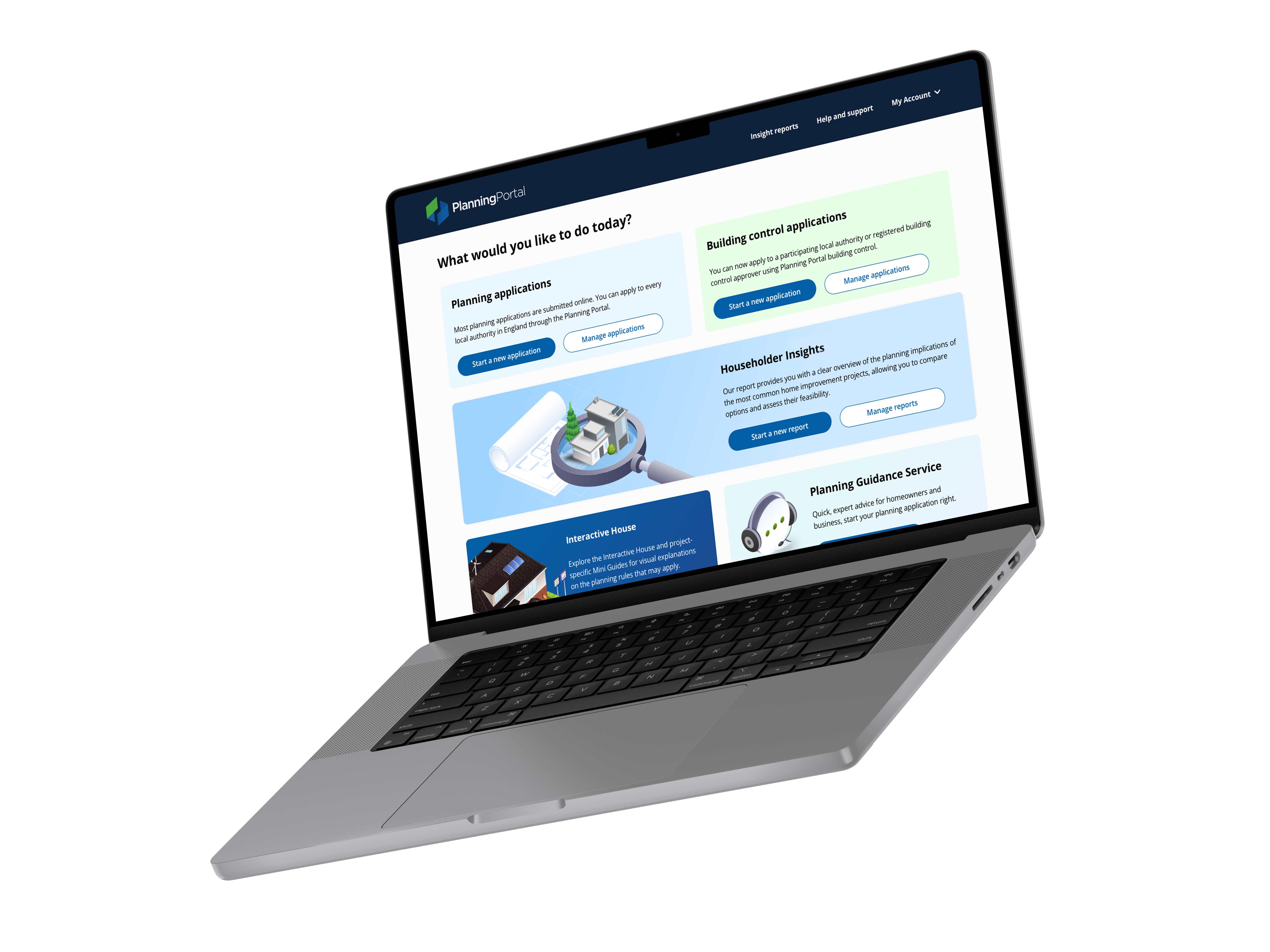
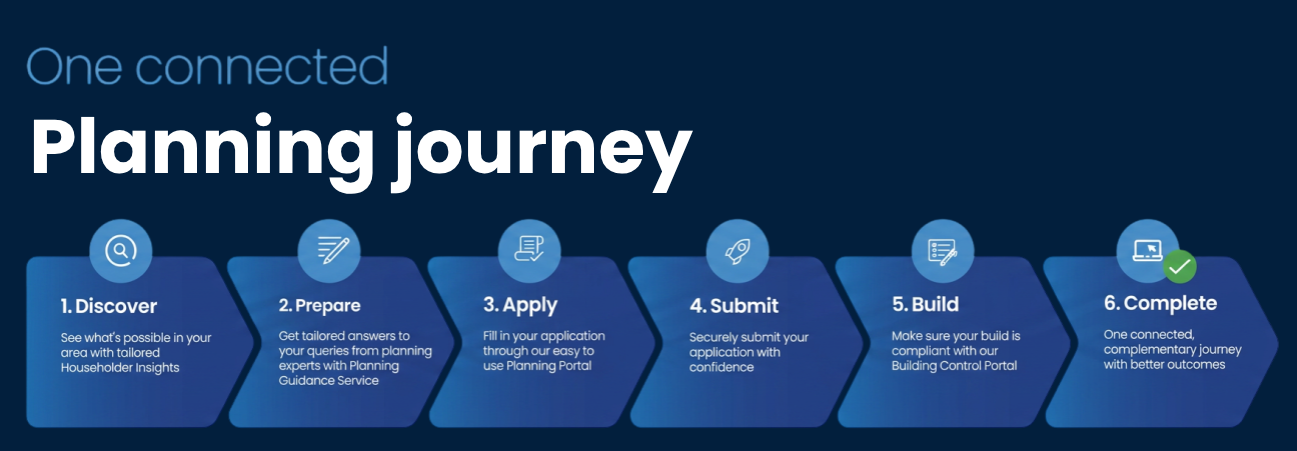
From today, Planning Portal is bringing new data, intelligence, AI and smarter workflows into more of the planning journey. From understanding what may be possible, to preparing and checking an application, through to submission and Building Control.
Together, these new and enhanced capabilities form part of SmartApply, the next evolution of the Planning Portal application journey and our biggest investment yet in helping professionals and homeowners navigate planning with greater clarity, efficiency and confidence.
The changes build on years of insight and continuous development, informed at every stage by the people who use and support the planning system. Through ongoing engagement with planning professionals, architects, consultants, and local authorities, alongside feedback from homeowners, we have developed a clear understanding of where we can make the greatest difference.
The priorities are clear: better information earlier, less repetitive administration, fewer avoidable issues before submission, and a more connected journey from planning into Building Control.
“Planning Portal exists to support people through the whole planning journey, not simply the point at which an application is submitted. That means helping people understand development potential and requirements earlier, making applications easier to prepare, and identifying potential issues while there is still time to address them.
What we are introducing today builds on the investment we have been making across Planning Portal, and there is much more to come. We will continue to develop these capabilities, using technology and AI, where they can provide better foresight and clarity, genuinely make planning simpler and more efficient, while continuing to work closely with our users and local authorities. It is that insight which continues to shape our investment, putting better information, smarter support and greater capability where they can deliver the most value.” – Geoffrey Keal, CEO, TerraQuest & Planning Portal
Know more before you apply
The earlier you have the right information, the more valuable it becomes, particularly before significant time and money have been committed.
That’s why we have expanded Planning Portal beyond the application itself, with new tools and guidance designed to help people understand what may be possible and make better-informed decisions from the very start.
More than three million people a year use Planning Portal guidance to understand planning requirements. Interactive House helps people explore what common home improvement projects typically involve, while Ask Navi, our AI-powered planning guidance service, makes authoritative Planning Portal guidance and national planning policy easier to understand through conversational answers.
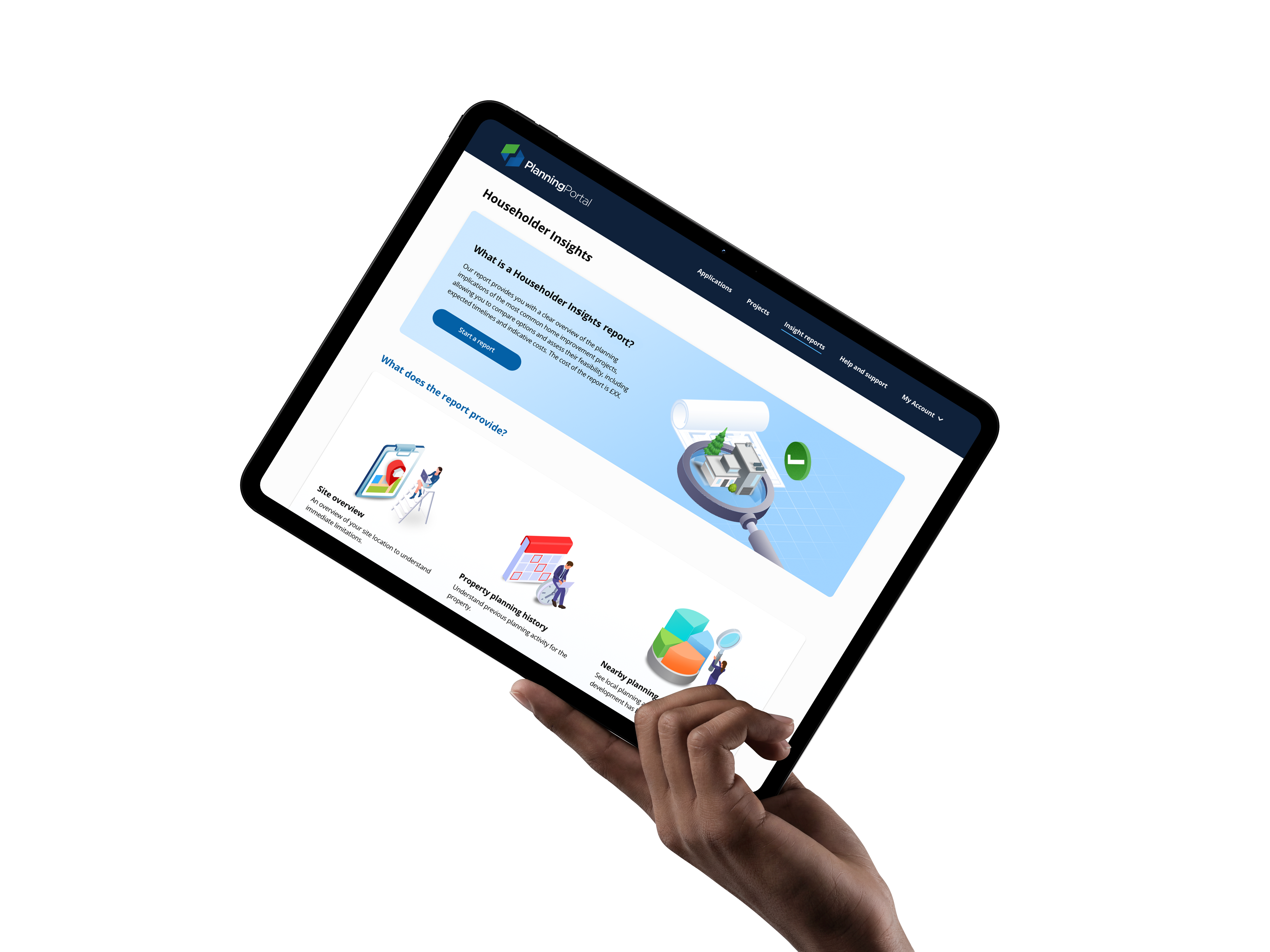
Our recently launched Householder Insights goes further, helping homeowners explore the planning potential of a specific property using relevant planning history and activity in the surrounding area. It’s free to use, with up to three property reports available each month.
From today, that principle extends further into application preparation.
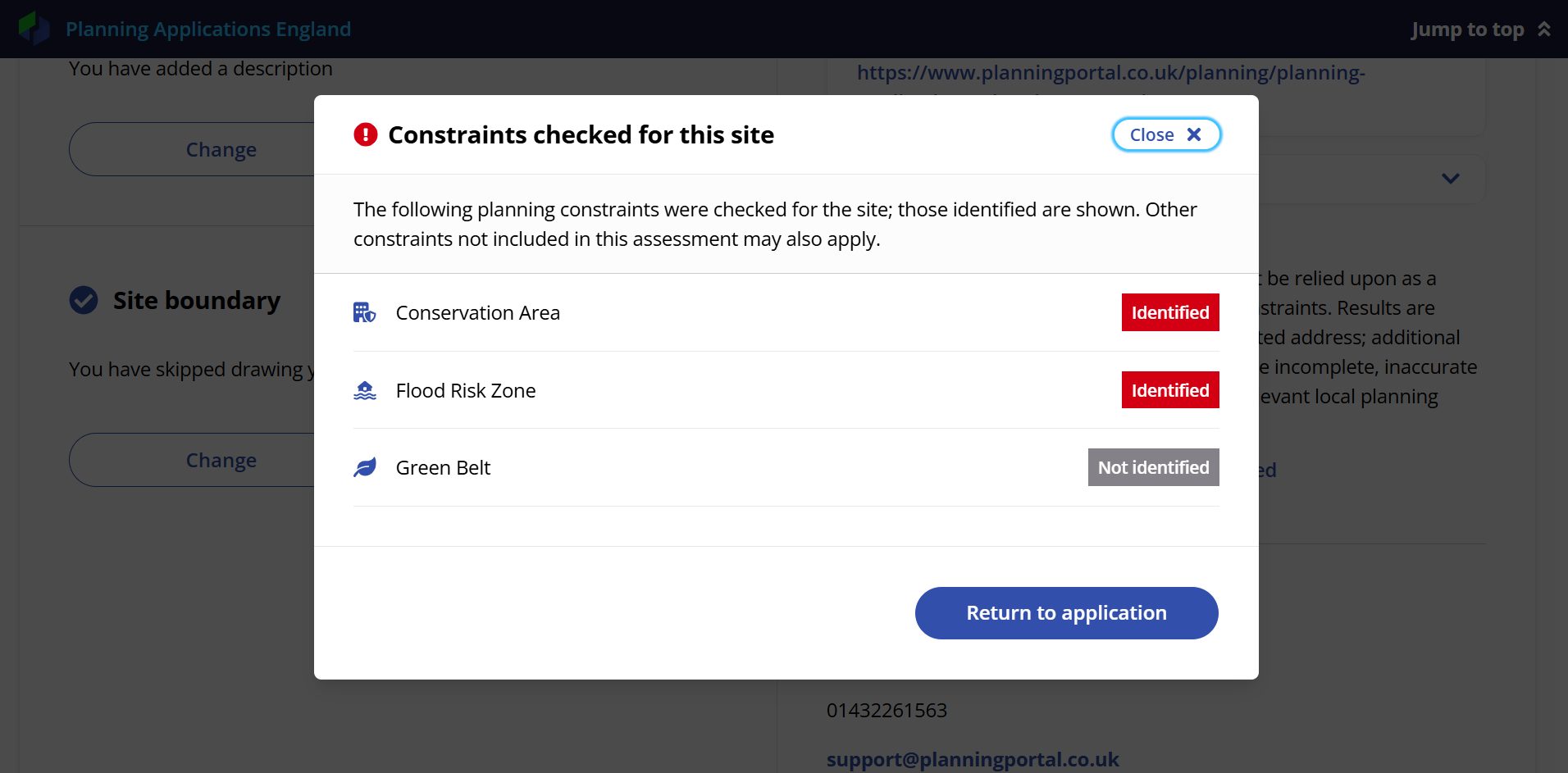
Relevant planning constraints can now be surfaced within the application journey, helping users identify considerations such as flood risk, conservation areas, green spaces and other site-specific factors while there is still time to respond.
For professionals, that means relevant intelligence appearing within the workflow they already use. For homeowners, it provides greater visibility of what could affect their proposal.
Know what could affect your site before it affects your application.
Spend less time on administration
Professional users have been clear that some of the most time-consuming parts of preparing an application are also the most repetitive. So, we have looked across the journey and identified where smarter workflows can remove unnecessary effort and make it easier to provide the right information first time.
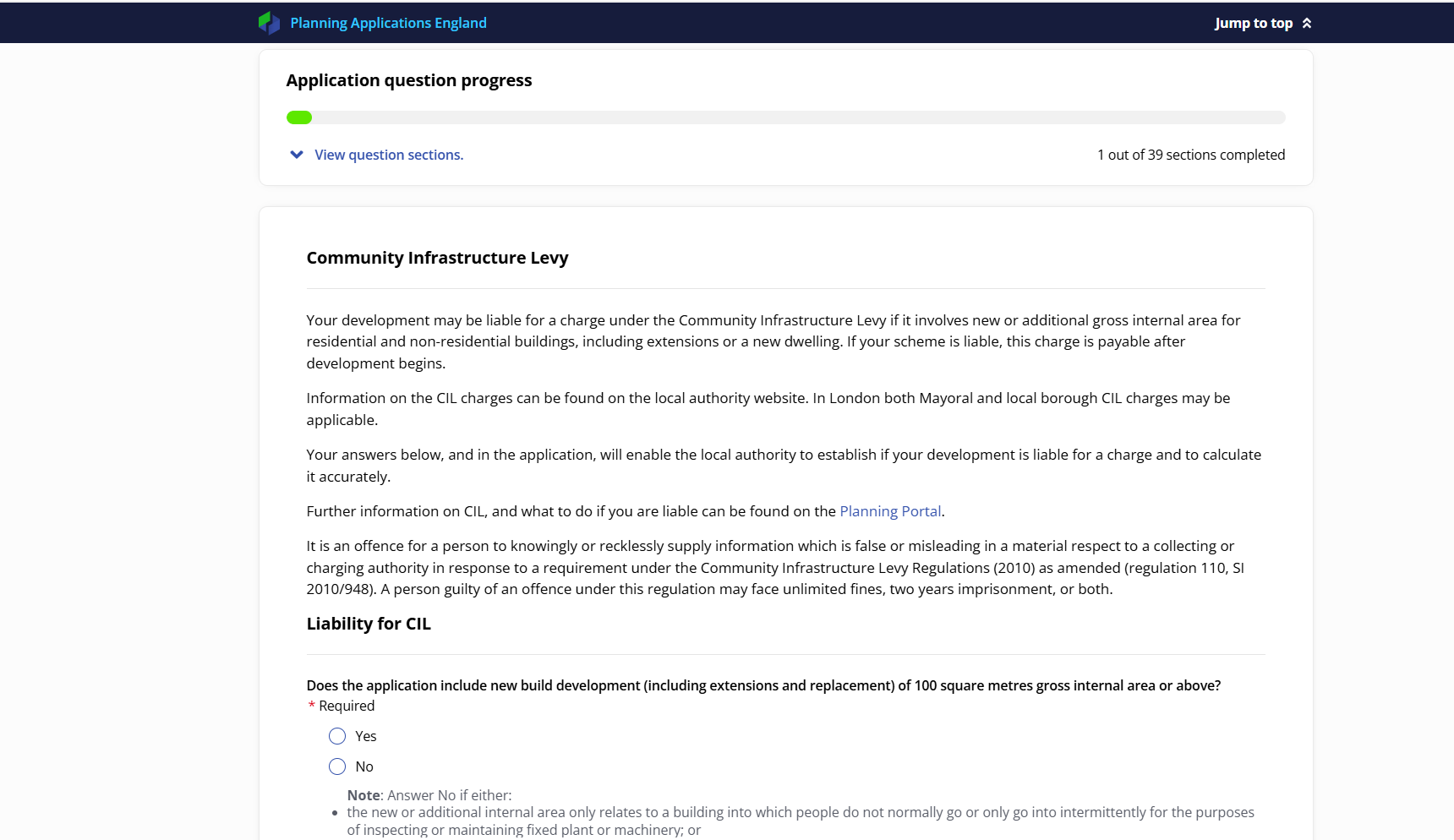
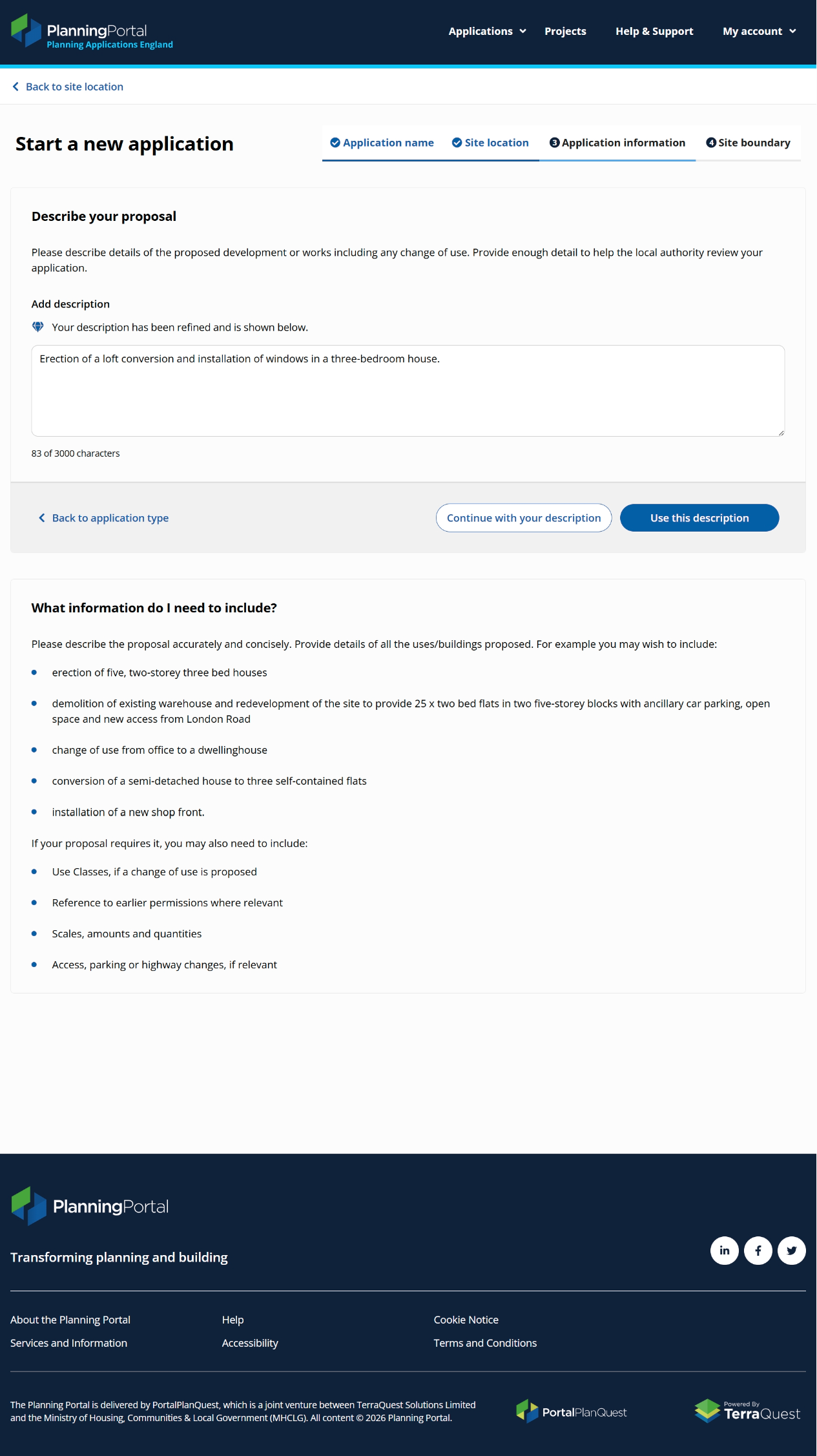
Supporting documents are a good example. Users can now upload a complete document set and classify files afterwards, with faster, more resilient bulk uploads that accommodate a wider range of file names and allow the rest of the upload to continue if an individual file encounters an error. Clear progress and error messages make it easier to identify and resolve issues, while bulk document management and a live checklist help users keep track of what’s still required. During testing, professional users told us this could save several hours on a larger scheme. Improvements across document handling, CIL, certificates and project descriptions launched recently have already made the application journey easier and more efficient to complete. AI-assisted capability will also support project descriptions, using technology to simplify parts of the process that previously required more manual input.
For professionals, the value is straightforward: less administration, greater efficiency and more time for the work where their expertise adds the greatest value.
For homeowners, it means clearer support through a process they may be navigating for the first time.
Catch more issues before submission
An application returned because information is missing or incorrect means delay for the applicant, additional work for the professional and more administration for the local planning authority.
Planning itself can be complex, and no digital platform will remove that complexity entirely. But many of the reasons applications are returned are identifiable and repeat year after year. We have spent years using our data to understand those patterns and identify where technology can help design avoidable problems out of the process.
That starts with the improvements available today: clearer requirements, earlier visibility of relevant constraints, better document handling and smarter support during application preparation.
And the capability will continue to develop.
Coming in October, enhanced completeness and readiness checks will help identify missing information and common errors while applicants still have the opportunity to address them.
Over time, those checks will become increasingly tailored, with Local Validation Checklists bringing authority-specific requirements directly into the application journey and site-specific information further shaping what applicants are asked to provide.
The goal is simple: resolve more issues before submission, rather than after it.
That means greater confidence for applicants, less avoidable rework for professionals and, ultimately, better-prepared applications reaching local planning authorities.
Move from planning into Building Control
Whilst planning permission is a big step in the process, we want to support projects as they progress through to delivery.
Building Control follows, but the transition from planning to Building Control can involve separate processes and systems. Planning Portal uniquely connects the two, creating a more seamless journey, reducing duplication and allowing information to move with the project.
Users can move from planning into Building Control* through the same platform, reuse relevant application information and submit directly to Building Control bodies – with Building Control included as part of the Planning Portal price.
It also supports the wider move towards better-connected, data-led regulation and the principles behind the ‘golden thread’ of information. Keeping reliable, relevant information accessible as a project progresses can support better decision-making, accountability and oversight, particularly when it comes to building safety.
For homeowners, that means a clearer route into the next stage of their project without an additional platform charge. For professionals, it means less duplication, effortless data integration, and a more efficient way to progress client projects beyond planning.
One account, one connected journey from planning through to compliance.
A new structure for a broader Planning Portal
As the capability available through Planning Portal expands, the structure behind it is changing too.
From today, application types sit within three bands:
Band 0 – £0 for eligible application types, including exemptions, tree works and listed building consent.
Band 1 – £99 inc VAT for less complex application types.
Band 2 – £149 inc VAT for application types with more complex requirements and greater platform capabilities.
The majority of applications received through Planning Portal will either remain free or cost £99 inc VAT.
The banding reflects our assessment of the complexity associated with different application types and the level of capability typically required to support them. More complex applications can involve more information, site constraints, supporting documentation and processing. For more information on which application types sit withing each band, click here.
The new structure reflects the broader value now being built into Planning Portal: earlier planning intelligence, improved guidance, smarter application preparation, better document management, stronger checking and a connected route into Building Control.
It also enables us to keep investing in what comes next.
What comes next
The capabilities introduced today are part of a broader programme of development, with more to come over the coming months.
Ask Navi will evolve from answering questions to helping users take action, including identifying the right application type and turning conversations into draft applications. Completeness and readiness checks will become more sophisticated, with Local Validation Checklists and site-specific constraints helping ensure the right information is captured earlier.
For professionals working on multiple applications, Project Workspaces will bring related applications, people and information together, with planning and Building Control sitting side by side.
Together, these developments have a practical aim: less time spent navigating the process, fewer avoidable problems and better-prepared applications reaching local planning authorities.
And what we learn from their use will continue to shape where we invest next.
*Please note, all projects can be submitted through Building Control except higher-risk building work in England.
Please give us your feedback but we won’t publish any comments that are not constructive or that criticise any individual, any named business or any local authority. Please note, all comments will be moderated before being published. Cancel reply