Changes to permitted development rules for domestic solar installations
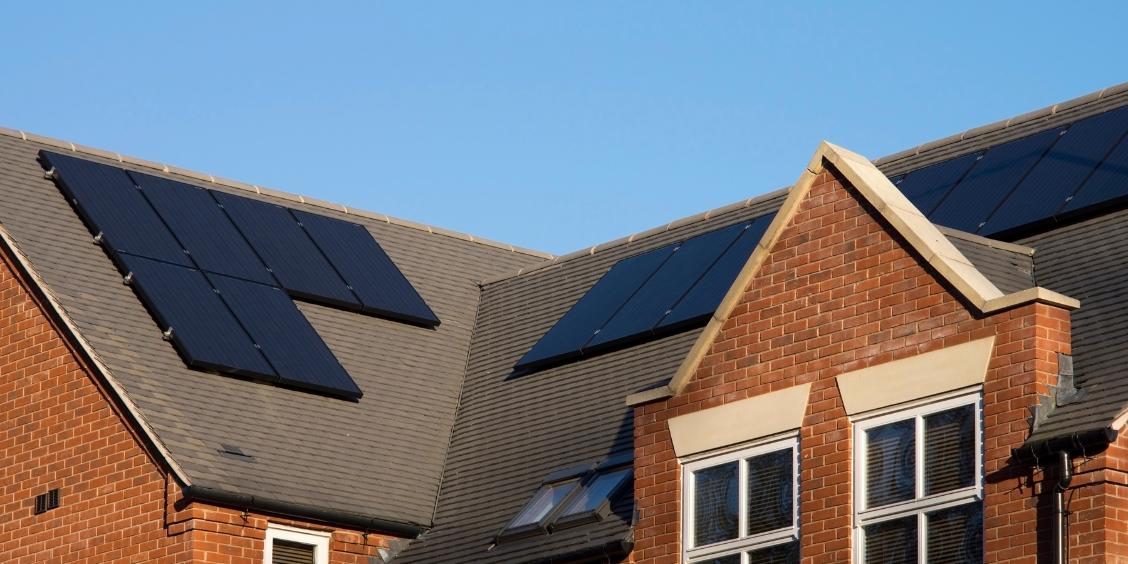
Changes intended to broaden the scope of solar installations for houses in England without requiring an application for planning permission were published by Government at the end of July, and come into force on 27th August 2026.
These split the eligibility requirements into distinct rules for houses and blocks of flats, with the former gaining the potential for larger installations in a wider range of locations on buildings or within the property boundary.
It also clarifies the potential to install ‘plug-in’ solar (i.e. that connects to the dwellings wiring via a standard plug socket), whilst blocking this being installed on wooden structures or cladding to mitigate fire risk.
As is often the case when permitted development rights change, a transitional provision will allow projects that will no longer be eligible under the amended rights, to use the rules as they stood prior to the changes taking effect. This option will be available for 12 months, until 26th August 2027.
So what is changing on Planning Portal?
We are updating our common project guidance on domestic solar panels to account for the changes, ensuring that users can quickly understand what they are able to install, including how the project is (or can be) permitted.
The changes also affect two types of Prior Approval application you can submit through our online service:
- Installation or alteration etc of solar equipment on domestic premises (ID: 73)
- Installation or alteration etc of stand-alone solar equipment on domestic premises (ID: 74)
In both instances, the ‘Eligibility’ questions will be updated to ensure that they account for the new rules, including the specific differences for houses and blocks of flats, and the transitional allowances.
We will make the changes to the online application system on 17th September 2026. And are contacting users with draft applications to inform them that the eligibility criteria will be outdated until that point.
Where the project would exceed the limits set by permitted development rules, or does not specifically require an application for prior approval, this will be flagged to users so that they do not proceed with their application unnecessarily.
Additionally, if applicants wish to use the rules as they stood prior to the changes, this option will be selectable and will also inform them of the deadline for doing so.

What does this mean for applicants or their agents?
If you wish to make an application of this type prior to the changes being made on 17th September, please be aware that the eligibility criteria on the application are outdated and may not accurately reflect the permitted development rights as amended.
If you have an existing draft application for one of the types above, after the changes have been made, you should review the ‘Eligibility’ section to ensure that an application for prior approval is still the correct approach.
Where the section is incomplete, or the requirements for a prior approval submission are not met, you will not be able to submit the application. Note that if previously completed, the ‘Eligibility’ section may still show as ‘complete’ even if it requires review.

What does this mean for local authorities?
Once the changes have been made, application submissions will show the updated eligibility questions in the JSON datafile and generated PDF forms.
This application type is not supporting by our legacy XML data standard or integration, so if not using our current API, you will still need to manually download these submissions once you have received notification that one is available.
If you are interested in realising the benefits of our current integration and data standard, please get in touch, or discuss upgrading with your IT supplier.


